Porcupine Watercolor Animal Clipart: Hand-Painted Charm for Design Projects
If you have ever searched for animal graphics that feel warm, organic, and genuinely artistic, you have likely stumbled into the world of watercolor clipart. Among the more unexpected yet delightful subjects in this category is the porcupine. Porcupine Watercolor Animal Clipart, PNG offers a refreshing departure from overused stock imagery and generic vector silhouettes. It brings the texture of real watermedia—soft washes, pigment granulation, and subtle edge bleeding—straight into your digital canvas. Whether you are a seasoned brand strategist or a hobbyist crafting invitations for a woodland-themed baby shower, this type of clipart provides a tactile quality that standard flat icons simply cannot match.
Visual Personality and Artistic Appeal
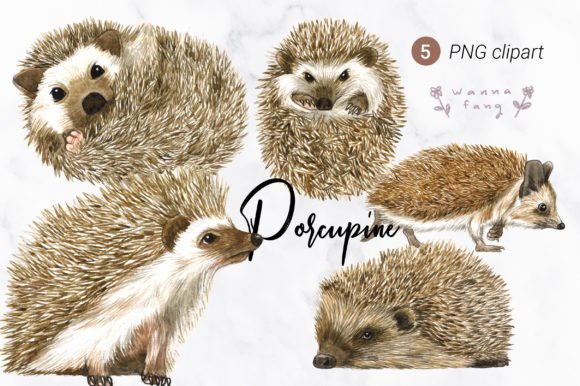
What makes watercolor porcupine clipart stand out is the unlikely combination of subject and medium. Porcupines are often perceived as prickly, cautious creatures, yet watercolor rendering softens those sharp quills into flowing, translucent strokes. The result is a visual paradox: the animal retains its iconic silhouette and defensive spikes, but the fluid paint application lends a gentle, almost whimsical personality. You get the best of both worlds—recognizable wildlife form with an artistic, hand-painted finish.
The Porcupine Watercolor Animal Clipart, PNG sets I have worked with typically feature earthy browns, warm ochres, and deep sepia tones, often with subtle splatter effects or layered washes that mimic real paper texture. The backgrounds remain transparent thanks to the PNG format, which means you can drop these illustrations into any layout without white boxes or hard edges. This transparency is not just a technical convenience; it preserves the delicate paint edges that give watercolor its signature charm.
From a design perspective, these graphics lean toward a naturalistic yet slightly illustrative style. They are not hyper-detailed scientific drawings, nor are they cartoonish exaggerations. They occupy a sweet spot that reads as handcrafted rather than mass-produced. That distinction matters in an era where audiences are increasingly drawn to authentic, human-made aesthetics.
Where Porcupine Watercolor Clipart Shines in Real Projects
I have seen this clipart used across a surprisingly wide range of applications, and it always performs best when the project calls for a natural, storytelling quality. Here are the contexts where I consistently recommend it.
Brand Identity and Logo Design
For small businesses in the outdoor, conservation, or children’s education space, a watercolor porcupine can become a memorable brand mark. A nature center, a wildlife blog, or an organic snack company targeting families could use this clipart as the centerpiece of a logo or as a supporting graphic on packaging. The hand-painted texture signals care and craftsmanship—values that resonate with eco-conscious consumers. When paired with a clean sans serif font or a modern serif, the contrast between digital precision and analog texture creates a compelling brand identity.
Editorial Design and Publishing
Children’s book illustrators and educational publishers often need animal imagery that feels alive without being distracting. Watercolor clipart works beautifully in this space because the soft edges and muted palettes sit well alongside text. I have seen porcupine graphics used as chapter openers, sidebar accents, or full-page illustrations in nature guides. The PNG format makes it straightforward to layer text over the lighter wash areas, maintaining readability without sacrificing visual interest.
Packaging Design for Specialty Goods
If you are developing packaging for artisan soaps, gift tags, or stationery sets featuring forest or woodland themes, porcupine clipart adds a distinctive touch. Unlike the ubiquitous fox, deer, or rabbit, the porcupine feels fresh and unexpected. It sparks curiosity. A tea company or jam producer could use the graphic on labels to communicate wild-foraged ingredients or a rustic brand story. The watercolor aesthetic aligns naturally with the artisan and handmade labels that premium food and body care products often claim.
Social Media Graphics and Digital Content
For bloggers and content creators covering nature, parenting, or slow living, a consistent visual language matters. Using the same Porcupine Watercolor Animal Clipart, PNG across Instagram posts, Pinterest pins, and website headers builds recognition. The watercolor style photographs well on phone screens and stands out in crowded feeds where flat design dominates. I have found that these graphics also perform well as thumbnail elements for video content about wildlife or forest school activities.
How Clipart Quality Influences Audience Perception
This is where many creators underestimate the power of their visual assets. Every graphic you use sends a signal about your brand’s standards. A low-resolution, poorly rendered clipart image with harsh pixel edges immediately undermines trust. Conversely, a premium watercolor illustration with authentic paint texture and thoughtful color composition signals professionalism and attention to detail. The Porcupine Watercolor Animal Clipart, PNG collections that include multiple color variations, high-resolution files (300 DPI or above), and clean transparency give you the flexibility to maintain quality across print and digital outputs.
From a brand perception standpoint, the choice to use hand-painted clipart over vector icons communicates that you value artistry. It suggests that your brand takes time to curate its appearance, which can positively influence how audiences engage with your content. This is especially relevant for small business owners who compete against larger companies with bigger budgets. You cannot outspend them, but you can out-charm them with distinctive, warm visuals.
Practical Guidance for Choosing and Using Porcupine Watercolor Clipart
After reviewing dozens of watercolor animal sets and using them in client projects, I have developed a few practical guidelines that I want to share directly.
Evaluate Project Fit Before You Purchase
Not all porcupine watercolor sets are created equal. Look at the color palette first. Does it match your existing brand colors, or will you need to adjust saturation and contrast? Some sets lean warm (browns, oranges), while others incorporate cooler tones (grays, blues). Choose one that aligns with your overall design assets palette to reduce post-production work. Also, examine the level of detail. A highly detailed illustration with many fine quill strokes might not scale down well for small icons or social media profile images. A simpler, bolder rendering often performs better across multiple sizes.
Test Transparency and Edge Quality
Download a sample file if available. Open it in your editing software and zoom in to 200%. Look for jagged edges around the watercolor blooms. High-quality PNG clipart should have smooth, anti-aliased edges that preserve the natural paint texture. If you see visible stepping or pixelation, move on to another set. The whole point of using watercolor is the organic edge quality; losing that defeats the purpose.
Pair with the Right Typography
When you integrate this clipart into a layout, the surrounding type matters immensely. Because watercolor textures have irregular shapes and soft boundaries, you want font pairing with typefaces that provide contrast. A clean, geometric sans serif (like Montserrat, Proxima Nova, or Open Sans) creates a modern foil to the organic illustration. If you prefer a more classic feel, a sturdy serif (like Merriweather or Playfair Display) adds structure. Avoid pairing watercolor clipart with overly decorative handwritten fonts—that combination can become visually chaotic. Let the illustration be the star and keep the typography restrained.
Check Commercial Licensing Terms
This is the most overlooked step. If you are using Porcupine Watercolor Animal Clipart, PNG in products you sell—whether that is printed stationery, digital templates, or merchandise—confirm that the license covers commercial use. Some clipart sets restrict use to personal projects or cap the number of reproductions. Others offer extended licenses for unlimited commercial applications. Do not assume all PNG downloads grant blanket permission. Read the terms, and when in doubt, contact the creator. A mismatch here can create legal headaches later, and it also reflects poorly on your professionalism.
Maintaining Visual Consistency Across Projects
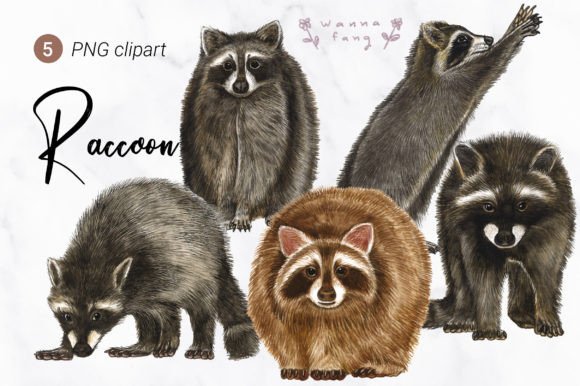
Once you commit to a watercolor clipart style, try to source all your animal graphics from the same artist or collection. Mixing watercolor from different creators often results in mismatched paint textures, inconsistent lighting, and clashing color temperatures. A porcupine with warm sepia undertones will look odd next to a raccoon done in cool gray washes. If you are building a suite of materials—website, packaging, social templates—buy a complete set that includes multiple animals in a unified style. This ensures your modern typography choices and illustration work together harmoniously.
For bloggers and content creators, I recommend creating a small library of your most-used graphics in a dedicated folder. Keep the PNG files organized by subject and color. This small habit saves hours when you are producing content on a deadline. You will not have to dig through old downloads or re-edit files to match your current project.
Real-World Example: A Small Business Success Story
A client of mine runs a small online shop selling wooden toys and nature-themed activity kits for preschoolers. She wanted to refresh her packaging and website without hiring an illustrator. We selected a Porcupine Watercolor Animal Clipart, PNG set that featured five forest animals in a consistent earthy palette. She used the porcupine as the mascot for her “Prickly Pals” product line. The graphics went onto hang tags, instruction cards, and her Etsy banner. Within three months, she reported that customers frequently commented on the “beautiful artwork” in reviews. The hand-painted look elevated her perceived brand value without requiring a custom illustration budget. That is the real power of carefully chosen clipart—it delivers professional-grade aesthetics at a fraction of the cost.
Final Thoughts on Working with Watercolor Clipart
The Porcupine Watercolor Animal Clipart, PNG format is more than a simple asset file. It is a creative tool that brings warmth, texture, and personality to projects that might otherwise feel flat or generic. Whether you are designing a brand identity, building a website, creating social media content, or producing printed materials for a client, these graphics offer a versatile foundation. The key is to choose quality files, pair them with intentional typography, and use them consistently across your visual touchpoints.
If you have been relying solely on flat vectors or stock photos, I encourage you to experiment with watercolor clipart in your next project. Start with one strong illustration, build your layout around it, and observe how the organic quality changes the feel of the whole composition. You might find that a single porcupine, rendered in soft watercolor washes, becomes the most memorable element of your design.