Watercolor Animal Soft Toys Clipart Brings Gentle Charm to Design
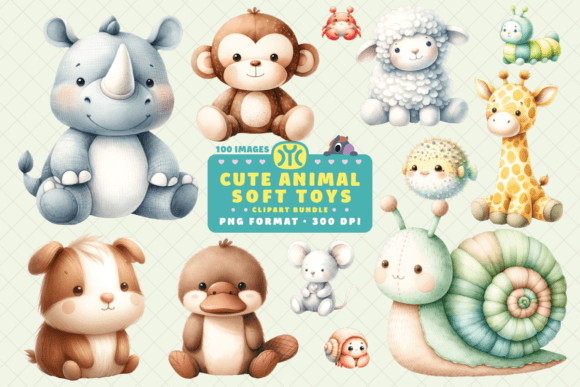
If you have been browsing design asset marketplaces lately, you have likely noticed a surge in watercolor clipart collections. Among them, Watercolor Animal Soft Toys Clipart stands out for its distinctive blend of childhood nostalgia and painterly refinement. This is not your standard cartoon animal pack. The artwork captures the fuzzy edges, soft shadows, and subtle fabric textures of plush toys, all rendered in translucent watercolor washes. The result is a visual style that feels both handcrafted and polished—perfect for projects that need warmth without sacrificing professionalism.
What makes this collection unique is how it balances whimsy with sophistication. The animals—think teddy bears, bunnies, elephants, and foxes—are depicted with gentle color gradients and soft outlines. They do not scream for attention; they invite it. That quiet confidence makes the clipart incredibly versatile across different media, from branding to editorial design. Whether you are designing for a children's boutique, a lifestyle blog, or a product packaging line, these illustrations bring a tactile, human quality that vector flat art often lacks.
The Visual Personality of Hand-Painted Digital Assets
Watercolor clipart sits in a sweet spot between fine art and commercial design. The Watercolor Animal Soft Toys Clipart collection leans into this hybrid identity. Each illustration carries natural pigment variations—some areas are denser, others fade into the background—which gives the artwork an organic feel. This is not the sterile perfection of crisp vectors; it is the warmth of brush on paper, preserved digitally for practical use.
From a designer's perspective, this matters. In a world saturated with cookie-cutter stock graphics, watercolor textures communicate authenticity. Brands and creators who want to stand down from loud, hyper-saturated visuals often turn to soft, illustrative styles like this. The toy animals feel approachable, and the watercolor medium adds a layer of artistic credibility. You can pair these illustrations with a handwritten font or a clean sans serif and the contrast will elevate both elements.
Another key characteristic is color harmony. The palette tends toward muted pastels—dusty rose, sage green, warm beige, soft lavender—with occasional pops of brighter color on bows or blankets. This restraint makes it easy to integrate the clipart into existing brand systems. You do not have to redesign your entire visual identity to accommodate these assets. They complement modern typography, especially serif fonts and minimalist sans serif typefaces, without competing for hierarchy.
Where the Clipart Works Best Across Projects
Let us get practical. The Watercolor Animal Soft Toys Clipart collection shines in several specific contexts, and knowing where to place it can make the difference between a cohesive design and a mismatched one.
Branding for baby and children's businesses. This is the most obvious application, but worth detailing. A diaper brand, a pediatric clinic, or a children's clothing line can use these illustrations as hero imagery or supporting graphics. Because the style is not relentlessly childish, it also works for higher-end parenting products. Imagine a wooden toy company using the bear illustration on their hang tags—it instantly signals quality and care.
Social media graphics for lifestyle content. Influencers, educators, and therapists working with young families can use these images to soften their feed. The watercolor look photographs well on screen and pairs nicely with a script font for quotes or announcements. The texture hides digital flatness, making posts feel more like physical art prints.
Editorial design and blog headers. Printable planners, parenting magazines, and educational websites benefit from the gentle visual breaks these illustrations provide. A bunny sitting quietly at the corner of a page draws the eye without distracting from the text. For publishers who need royalty-free design assets that do not look generic, this collection offers a lot of mileage.
Packaging design for small-batch products. Artisan soaps, organic snacks, and handmade stationery often rely on watercolor aesthetics to communicate natural ingredients or traditional craftsmanship. The toy animal theme fits especially well for products targeting new parents or gift buyers. A box of herbal tea with a watercolor teddy bear on the label immediately feels comforting and safe.
Personal projects and DIY crafts. Hobbyists can use these assets for scrapbooking, party invitations, wall art prints, or even custom fabric designs. The commercial license covers most small business needs, which we will discuss later, but for personal use, the possibilities are wide open.
Practical Guidance for Choosing and Using Clipart in Branding
I have worked with enough design assets to know that quality varies wildly. When evaluating a collection like Watercolor Animal Soft Toys Clipart, you want to look beyond the sample images. Consider the resolution, file formats, and whether the illustrations are isolated on transparent backgrounds. High-resolution PNG files with proper transparency save hours of cutting out backgrounds, and they retain the delicate watercolor edges that make the style appealing.
Another factor is consistency across the set. If you plan to use multiple animals in a single project—say, a set of product cards or a website header—you need the illustrations to feel like they belong in the same world. Check that the color temperatures and brush textures match. The best collections have a unified palette that feels intentionally curated, not random.
Readability is also important, even with clipart. Watercolor images have soft edges by nature, which can blur into a background if you are not careful. Pair them with solid-colored shapes or ample white space. If you layer them over photography, use a subtle drop shadow or a light, textured backdrop to separate the elements. This preserves the soft aesthetic while maintaining visual hierarchy.
Font Pairing and Visual Hierarchy
Typography and clipart work together to guide the viewer's eye. With a soft, painterly illustration, you need a typeface that complements without competing. Here are pairings that consistently work with Watercolor Animal Soft Toys Clipart:
- A rounded sans serif font like Nunito, VAG Rounded, or Quicksand. The friendly curves mirror the rounded forms of the stuffed animals. This creates harmony without matching too literally.
- A warm serif font such as Playfair Display or Crimson Text. The contrast between formal serifs and casual watercolor textures adds depth, especially in logo design or editorial layouts.
- A handwritten display font for short headlines or call-to-action text. Scripts with irregular baseline and medium weight sit well next to the loose brushwork of the illustrations. Just keep the text brief to maintain readability.
- A clean modern sans serif like Montserrat or Open Sans for body copy. This anchors the design in practicality while the clipart provides character.
When building visual hierarchy, place the clipart where it can anchor the composition—centered as a focal point, or tucked into a corner as a supporting element. Pair it with bold typography for headings and lighter weight text for details. The watercolor texture naturally draws attention, so let the typography do the heavy lifting for structure.
Commercial Licensing and Practical Considerations
Before you use any clipart in client work or product sales, verify the license terms. Most reputable collections of Watercolor Animal Soft Toys Clipart offer a standard commercial license that covers use in printed goods, digital products, and marketing materials up to a certain sales threshold. If you are a large enterprise or expect high-volume sales, check for extended licensing options. This is not just legal caution—it protects both you and the artist who created the assets.
For small business owners and solopreneurs, the typical license covers everything from logo designs to social media templates. However, do not assume that commercial use is automatically permitted for all applications. Some licenses restrict use in resold digital templates or logo trademarks. Read the fine print or contact the seller directly if you are unsure. A small upfront clarification saves legal headaches later.
File quality matters too. Look for collections that provide at least 300 DPI for print projects and transparent background PNGs for digital use. Vector versions of watercolor art are less common because the texture relies on raster pixels, but some sellers include high-resolution JPEGs as well. If you need scalability, check the file dimensions carefully. A 4000-pixel-wide image at 300 DPI will cover most standard print sizes without loss.
Making These Assets Work for Brand Identity
Brand consistency does not mean using the same exact illustration everywhere. It means maintaining a recognizable visual language across touchpoints. With a watercolor clipart collection, you can rotate between different animals while keeping the same artistic style, palette, and texture. This gives you a flexible system rather than a single mascot.
For example, a kids' subscription box brand might use the bear on the billing page, the bunny on the promotional emails, and the fox on social media. Customers will subconsciously link all those illustrations back to the same brand identity because the watercolor treatment unifies them. This is more effective than commissioning custom illustrations for every use case, especially when you are early in your brand journey.
One caution: do not overuse the clipart. These illustrations work best as accents or heroes, not as wallpaper. Too many soft fluffy animals on a single page can dilute the impact and make the design feel cluttered. Choose one focal image per layout and let it breathe. Surround it with clean typography, generous white space, and perhaps a subtle color block that pulls from the illustration's palette. This approach preserves the charm while maintaining professional polish.
For bloggers and content creators, consider using the clipart as featured images for different categories. A teddy bear for parenting articles, a bunny for craft tutorials, an elephant for educational content. This creates a visual taxonomy that helps readers navigate your site while reinforcing the gentle, trustworthy tone of your brand. Pair each image with a consistent header style and font pairing, and you have a cohesive visual system without hiring a graphic designer for every post.
The Watercolor Animal Soft Toys Clipart collection offers something rare in the asset world: emotional resonance without sacrificing utility. You get the warmth of handmade art with the convenience of a ready-to-use digital product. Whether you are launching a small business, refreshing a blog, or designing packaging for a new product line, these illustrations can bring a softness that connects with audiences on a genuine level. Use them thoughtfully, pair them with strong typography, and let the watercolor texture do the work of building trust and recognition. That is the real value of good design assets—they do not just decorate; they communicate.