Watercolor Red Panda Clipart Guide
Watercolor Red Panda Clipart brings a distinct blend of whimsy and artistry to any project. Unlike crisp vector icons or flat illustrations, this style relies on soft washes of color, subtle bleeding edges, and organic brush strokes that capture the playful nature of red pandas. Whether you’re a designer aiming to warm up a brand identity or a crafter creating custom stationery, this clipart offers a versatile option for both digital and print applications. The charm lies in its imperfections—the slight pooling of pigment, the uneven edges—that make each piece feel hand-painted rather than machine-generated.
What Makes Watercolor Red Panda Clipart Stand Out?
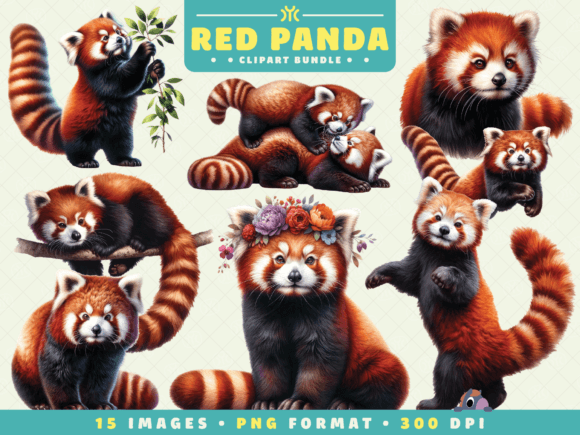
Visually, this clipart sits in a sweet spot between loose watercolor studies and polished illustration. The red panda is often depicted with its signature reddish-brown fur, white facial markings, and a bushy tail, all rendered in translucent layers. The watercolor medium adds a soft, approachable feel that’s hard to replicate with solid fills. This personality makes it ideal for projects where you want to convey warmth, playfulness, or a handcrafted touch. The style leans heavily on texture—you can see the grain of the paper and the gradient of the water as it dries. That texture gives the artwork depth and a sense of authenticity that resonates with audiences looking for something beyond sterile, stock-looking graphics.
The Appeal of Imperfection
In a world of perfect vectors and AI-generated images, watercolor clipart stands out because it looks made by hand. The slight overlaps of color, the edge fades, and even the occasional splatter all contribute to a visual personality that feels organic. For designers and small business owners, this can be a powerful differentiator. A brand that uses watercolor elements signals a human touch, which can build trust and emotional connection with customers. Watercolor Red Panda Clipart, in particular, leverages the red panda’s naturally cute and curious expression, making it a memorable focal point in anything from kids’ product packaging to eco-friendly lifestyle branding.
Where Does Watercolor Red Panda Clipart Work Best?
Because of its expressive nature, this clipart isn’t a one-size-fits-all solution. But when used intentionally, it elevates a wide range of creative projects. Here are the areas where it consistently delivers:
- Branding and identity: Use it as a secondary graphic on business cards, tags, or website headers. It pairs especially well with brands that emphasize nature, creativity, or a relaxed lifestyle. While it may not replace a logo, it can enhance brand identity by adding a consistent visual motif.
- Social media graphics: Watercolor Red Panda Clipart stands out in feeds and stories. Its soft edges and rich color palette catch the eye without screaming for attention. Use it for quote cards, announcements, or as a background element to soften a commercial look.
- Packaging design: Products like tea, artisanal chocolates, organic pet treats, or children’s toys benefit from the warmth of watercolor. The clipart can be printed on labels, boxes, or tissue wrap. The handmade aesthetic suggests careful curation and premium quality.
- Editorial and publishing: Children’s books, zines, or nature magazines often use watercolor illustrations. This clipart can serve as a chapter header, a decorative element, or a cover accent when you need something charming but not distracting.
- Web design: Use sparingly as hero images, blog post featured graphics, or icon replacements on landing pages. The watercolor texture adds visual interest but should be balanced with clean typography and negative space to avoid clutter.
- Personal projects and crafts: Planners, invitations, wall art, scrapbooks, and digital stationery all welcome this style. Because the clipart is often sold as PNG files, they’re easy to drop into Canva, Procreate, or Photoshop without fuss.
How It Influences Readability, Hierarchy, and Brand Perception
Using Watercolor Red Panda Clipart isn’t just about adding a cute animal—it affects the entire visual hierarchy of your composition. Because watercolor has a soft, organic edge, it naturally creates contrast when placed next to sharp typography or geometric shapes. This contrast helps guide the viewer’s eye. For example, a sans serif font in all caps can anchor the image, while the clipart provides a focal point that’s both calming and curious. The key is to let the clipart breathe. If you surround it with too many competing textures or patterns, it loses impact.
From a brand perception standpoint, this clipart signals approachability. A premium font paired with watercolor can indicate a high-end product with a human heart. Conversely, pairing it with a bold display font can create a playful contradiction that feels modern. The consistency of using the same watercolor style across different touchpoints—website, packaging, social media—reinforces brand recognition. Audiences begin to associate the soft texture and red panda theme with the values your business represents: warmth, nature, and authenticity.
Audience engagement often improves because people respond emotionally to handcrafted aesthetics. A study by the Journal of Consumer Research found that handmade cues increase perceived value and willingness to pay. Watercolor clipart carries that cue naturally. When a marketer or entrepreneur uses Watercolor Red Panda Clipart in an email header or landing page, they aren’t just showing an animal—they’re subtly communicating effort, care, and uniqueness.
Practical Guidance for Choosing and Using Watercolor Red Panda Clipart
Selecting the right clipart set involves more than just liking the visuals. Here’s how to evaluate a set for your project:
Check Resolution and Format
Most quality watercolor clipart comes as high-resolution PNG files with transparent backgrounds. Look for 300 DPI if you plan to print. For web use, a smaller file size is fine, but avoid low-res scanned images that look pixelated. Some sets also include SVG for scaling without loss. Always test an element at actual size in your design software.
Review Included Elements
A good set includes variations: different poses, angles, and maybe sized-floral accents or leaves that match the palette. This allows you to build cohesive compositions. Watercolor Red Panda Clipart sets that come with complementary watercolor brushes or background papers give you more creative control. Avoid sets that only offer one static pose—you’ll likely need flexibility for different layouts.
Consider Compatibility with Your Brand Colors
The red panda’s natural hues (warm reddish-brown, cream, dark gray) may clash with certain palettes. If your brand uses cool blues and greens, you might need to recolor the clipart or look for a version that uses a different watercolor palette. Some designers purchase multicolored sets and adjust opacity or blend modes in Photoshop to harmonize colors without losing the watercolor effect.
Pairing with Typography
Since this clipart is decorative, it works best when the font doesn’t compete. A simple sans serif (like Open Sans, Lato, or a light weight of a geometric font) keeps the focus on the artwork. For a more organic feel, a script font can echo the watercolor strokes—just test for readability at small sizes. Avoid using too many font families; one display font for headings and one clean font for body is enough. The clipart itself acts as part of the visual hierarchy, so let it lead.
Readability Considerations
When placing text over or near watercolor, ensure sufficient contrast. The subtle gradients of watercolor can make text hard to read if they overlap the subject. Either place the clipart on a solid background or use a semi-transparent overlay behind the text. For packaging, you might print the clipart as a standalone element on the front and keep the back for detailed copy. In social media graphics, keep text away from the animal’s face to maintain legibility.
Commercial Licensing
Always check the license. Many watercolor clipart sets on marketplaces like Creative Market, Etsy, or Gumroad distinguish between personal use and commercial use. If you plan to include the clipart in products for sale (like branded merchandise, ebooks, or packaging), you need a commercial license. Some sets limit the number of copies or require attribution. For small business owners, a standard commercial license usually covers print runs up to 500 or 1,000 units. For larger production, reach out to the artist for an extended license.
Bringing It All Together
Watercolor Red Panda Clipart is more than an adorable asset—it’s a design tool that brings texture, emotion, and distinction to projects across creative, branding, and publishing fields. Its handcrafted aesthetic builds trust and recognition, while its organic feel softens the hard edges of modern typography and digital layouts. For designers and entrepreneurs, this clipart offers a low-effort way to inject personality into a campaign without commissioning custom illustration. The key is to use it intentionally: respect its texture, pair it with complementary fonts, and always test for readability and emotional fit. When done right, a simple red panda painted in watercolor can become the most memorable part of your design.